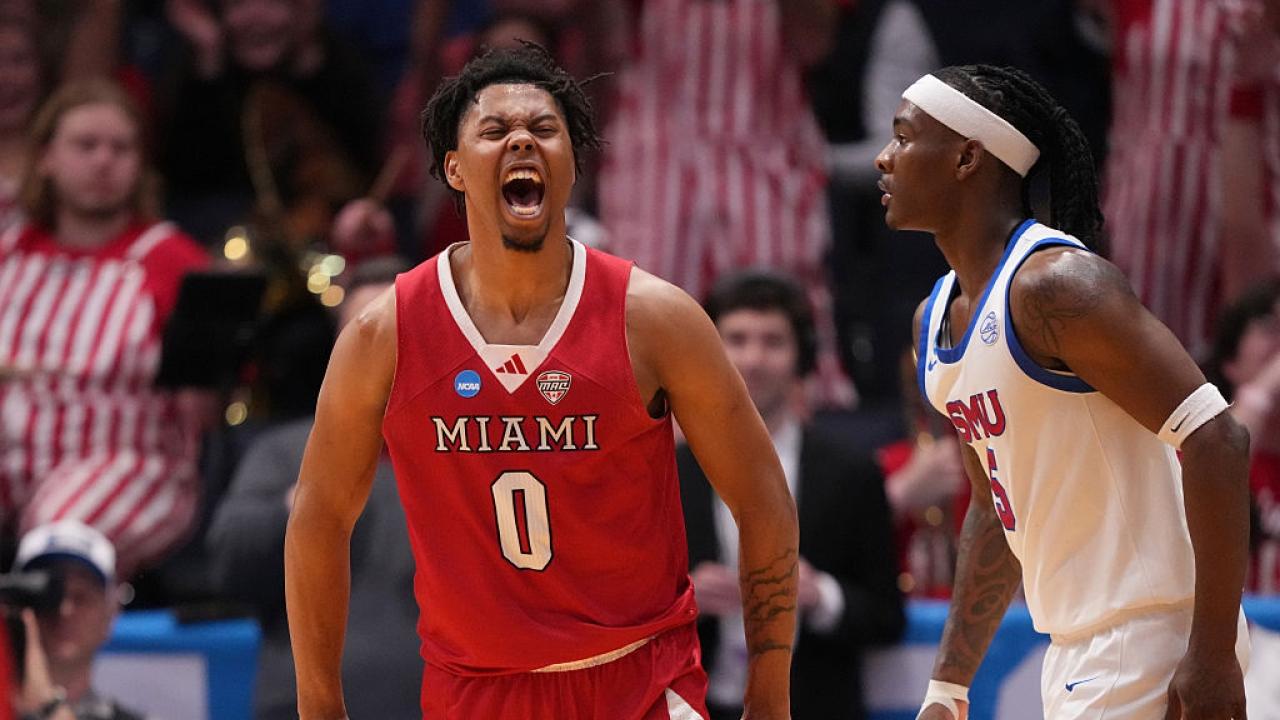
NCAA First Four: Underdog Dreams and the Road to the Round of 64
The air crackles with anticipation. Brackets are being filled, office pools are forming, and the phrase "March Madness" begins to echo across the nation. But before the venerable Round of 64 tips off, before the titans clash and the Cinderella stories truly blossom, there's a vital, often underestimated precursor that sets the stage: the First Four. These play-in games are where the NCAA Division I men's and women's basketball tournaments officially begin, offering a thrilling taste of the high-stakes drama to come and a crucial lifeline for teams fighting to keep their championship dreams alive. Far more than just a preliminary round, the First Four embodies the spirit of opportunity, pitting determined underdogs and last-gasp at-large contenders against each other in a battle for one of the coveted 64 spots in the main bracket.
What is the First Four? A Deeper Dive into the Play-In Round
At its core, the First Four is a series of four single-elimination basketball games that reduce the initial 68-team NCAA Tournament field down to the familiar 64-team bracket. Traditionally held in Dayton, Ohio, these contests serve as the official curtain-raiser for March Madness. The games are strategically designed to balance the inclusion of smaller conference champions with the integrity of the at-large selection process. Specifically, the First Four comprises two distinct types of matchups:
- Automatic Qualifiers (AQ) Play-Ins: Two games feature the four lowest-ranked conference champions. These teams have earned their way into the tournament by winning their respective conference tournaments but are often from smaller leagues and considered the lowest seeds overall. The winners of these matchups typically advance as No. 16 seeds into the main bracket, facing one of the No. 1 overall seeds.
- At-Large Play-Ins: The other two games involve the four lowest-seeded "at-large" teams. These are teams that did not win their conference tournaments but were deemed worthy of a tournament bid by the selection committee based on their regular-season performance and strength of schedule. The victors of these contests usually slot in as No. 11 seeds, often creating some of the most compelling early-tournament matchups against higher seeds.
For both men's and women's tournaments, the stakes are immediate and absolute: win and advance, or lose and go home. This win-or-go-home intensity is what makes the First Four so captivating, delivering instant March Madness drama and setting the tone for the weeks ahead.
The Evolution of the First Four: From One Game to Four
The concept of a play-in game wasn't always a four-game affair. The First Four, as we know it today, is the result of a fascinating evolution that began in the early 2000s, driven by conference realignment and a desire to maintain the tournament's competitive balance.
The Genesis: The Opening Round (2001)
The expansion journey began in 2001. The newly formed Mountain West Conference, established in 1999, received an automatic bid for its champion into the men's tournament. This brought the total number of conferences with automatic bids to 31. Unlike the women's tournament, which adjusted by eliminating an at-large bid to keep its field at 64 teams, the men's tournament organizers chose to preserve their 34 at-large entries. This decision expanded the overall field to 65 teams. To fit into a 64-team main bracket, a single "Opening Round" game was introduced, pitting the two lowest-seeded automatic qualifying teams against each other. The winner would advance to the first round proper. This initial play-in game laid the groundwork for future expansion, ensuring that no at-large bid was sacrificed for conference champions.
Expansion and Rebranding: The 68-Team Era (2011 & 2016)
A significant change occurred in 2011. As part of a new broadcast rights deal between CBS Sports and Turner Sports, the NCAA expanded the men's tournament to 68 teams. This natural progression led to the expansion of the "Opening Round" to four games, effectively creating the format we recognize today. Initially, these games were confusingly referred to as "first-round games," with the subsequent Round of 64 being called the "second round." However, recognizing the colloquialism that had already taken hold and the need for clearer branding, the NCAA officially rebranded these opening contests as the "First Four" in 2016. This brilliant marketing move drew a clear parallel to the tournament's iconic "Final Four," cementing its identity as the official start of March Madness, and correctly returned the Round of 64 to its rightful designation as the "first round." For a deeper dive into this history, check out The First Four Story: How NCAA Tournament Play-Ins Evolved.
A New Chapter: Women's Tournament Inclusion (2022)
In a major step towards parity and expanded opportunity, the 68-team format and the First Four were extended to the NCAA Division I women's tournament for the first time in 2022. This inclusion offers the same thrill and opportunity to women's teams, amplifying the excitement and competitive balance across both tournaments.
Throughout its evolution, with the sole exception of the 2021 tournament (which was held entirely in Indiana due to the COVID-19 pandemic), all men's Opening Round and First Four games have been hosted at the University of Dayton Arena in Dayton, Ohio, cementing its status as the spiritual home of March Madness's opening act.
Underdog Dreams and Cinderella Stories: Why the First Four Matters
The First Four is more than just a logistical necessity; it's a breeding ground for hope, a platform for redemption, and often, the birthplace of legitimate Cinderella stories. For the teams involved, these games represent not just an opportunity to make the main bracket, but a chance to defy expectations and capture national attention.
Imagine being a small conference champion, a team that battled all season, won your league tournament, and now, instead of a direct ticket to the dance, you have one more hurdle. Or consider an at-large team, on the bubble for weeks, finally getting a bid but with the caveat of a play-in game. For these programs, the First Four is a sudden-death playoff for the right to continue their season, and the emotional investment is palpable. The atmosphere in Dayton is electric, a concentrated burst of March Madness intensity that kicks off the tournament with a bang. You can learn more about how it all starts with the play-in games by visiting First Four Explained: March Madness Begins With Play-In Games.
While advancing deep into the tournament from the First Four is historically challenging, the most famous example of an underdog run started right here. In 2011, Virginia Commonwealth University (VCU), an 11-seed at-large bid, began its incredible journey in the First Four. After winning their play-in game, VCU went on an unprecedented run, upsetting higher-seeded teams all the way to the Final Four. This historic performance proved that winning a First Four game is not just about making the bracket; it's about building momentum, gaining confidence, and proving that any team, regardless of their initial seeding, can make a deep run. This VCU example serves as eternal inspiration for every team entering the play-in round.
Other notable First Four participants include teams like Florida A&M (2004 and 2007) and Winthrop (2001 and 2010), who hold the distinction of appearing in the opening game more than once, showcasing the recurring nature of these opportunities for certain programs. These games are rarely blowouts; the 2003 Opening Round game was the only one to extend into overtime, highlighting the competitive balance and high stakes involved.
Analyzing the First Four: What to Watch For and Betting Tips
For fans and bracketologists alike, the First Four games offer an early glimpse into the tournament's character and can be critical for filling out your bracket successfully. Here’s what to look for:
- Momentum is Key: Teams entering the First Four often come hot off their conference tournaments, having played high-pressure games. This momentum can be a significant advantage, especially for teams that clinched their automatic bid recently.
- Coaching Experience: Look for coaches who have experience in high-stakes, single-elimination formats. Their ability to manage pressure, make in-game adjustments, and keep their team focused can be the difference.
- Guard Play and Senior Leadership: In tight games, reliable guard play is paramount. Teams with experienced, composed guards who can handle the ball, make free throws, and create their own shots often have an edge. Senior leadership provides a calming presence when the stakes are highest.
- Defensive Prowess: Offense can be inconsistent under pressure, but defense travels. Teams that can consistently get stops, force turnovers, and control the pace often perform well in these grind-it-out matchups.
- Dayton's "Home Court" Advantage: While no team is local, the familiarity of the University of Dayton Arena for the event staff and the consistent atmosphere can sometimes favor teams that embrace the setting. The energy of the crowd, eager for March Madness to begin, certainly plays a role.
Practical Betting & Bracket Advice:
While it's tempting to overlook these games, paying attention can provide valuable insights. Don't be afraid to pick the winner of a First Four game to pull off an upset in the Round of 64. The VCU example shows it's possible, though rare. Teams that win the First Four often gain a mental edge and confidence that can carry them through at least one more round. However, understand that the odds of any First Four winner reaching the Sweet Sixteen or beyond are still statistically slim, making VCU's run truly exceptional. Focus on the immediate matchups: look for teams that are physically and mentally fresh, have a clear identity, and are playing their best basketball entering Dayton.
Conclusion
The First Four stands as the dynamic gateway to the NCAA Men's and Women's Basketball Tournaments. What began as a single play-in game has evolved into a compelling four-game spectacle, firmly establishing itself as the official launchpad for March Madness. These high-stakes matchups in Dayton, Ohio, are more than just logistical necessities; they are vibrant arenas where underdog dreams are born, where teams fight for their very survival, and where the first chapters of legendary Cinderella stories are often written. For fans, it's the perfect appetizer – a concentrated dose of basketball drama that sets the stage for weeks of unforgettable action. The First Four reminds us that in March, every game matters, every team has a chance, and the road to the Final Four truly begins with these critical, captivating contests.